Ever found yourself staring at a collection of skincare bottles, wondering in what order they should be applied each morning for maximum benefit? It’s a common dilemma. Getting your morning skincare routine right is more than just slathering on products; it’s about strategic layering to ensure each product performs its best. The quick guide in the video above gives a fantastic snapshot of the correct sequence for your AM skincare routine, laying out the essentials from toner to sunscreen.
This article will expand on those crucial steps, offering a deeper understanding of why each product plays a vital role and how proper layering can transform your skin health. We’ll explore the science behind the order, the benefits of key ingredients, and how to optimize your regimen for truly radiant results, making your daily AM skincare more effective.
Why the Right AM Skincare Layering Order Matters
The sequence in which you apply your skincare products isn’t just a suggestion; it’s a fundamental principle for efficacy. Applying products from the thinnest consistency to the thickest ensures optimal absorption. Think of it like building a house: you start with the foundation before adding walls and then the roof. Similarly, active ingredients in lighter serums need to penetrate your skin first without being blocked by heavier creams.
Incorrect layering can render expensive products ineffective, or worse, lead to irritation. For instance, putting a heavy moisturizer on before a potent antioxidant serum can prevent the serum’s active ingredients from reaching your skin where they’re needed most. A well-structured morning routine works synergistically, preparing your skin, treating concerns, and protecting it from environmental aggressors throughout the day.
Your Essential AM Skincare Routine: A Deep Dive into Each Step
Following the concise steps outlined in the video, let’s break down each component of an effective morning routine. This detailed approach will help you understand the purpose and benefits behind every product you apply, solidifying your knowledge of correct skincare layering.
1. Cleansing: The Essential First Step
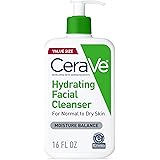
While not explicitly mentioned in the quick video, cleansing is always the foundational first step of any good skincare routine. A gentle cleanse in the morning removes any residue from nighttime products, excess oil, and impurities that may have accumulated overnight. This prepares your skin as a clean canvas, allowing subsequent products to absorb and work efficiently. Choose a mild, hydrating cleanser that won’t strip your skin of its natural moisture barrier.
2. Toner: Preparing Your Canvas
After cleansing, a toner is applied to help balance your skin’s pH, which can sometimes be disrupted by tap water. Modern toners are far from the harsh, alcohol-laden astringents of the past; today, they are often formulated with hydrating ingredients like hyaluronic acid, glycerin, or soothing botanical extracts. A good toner can provide an initial boost of hydration, replenish moisture, and create a slightly damp surface that enhances the absorption of serums that follow. This step is about prepping your skin to be more receptive to the active ingredients you’re about to apply.
3. Vitamin C Serum: Your Morning Antioxidant Powerhouse
Vitamin C is a superstar ingredient for your morning routine, and placing it early in your layering sequence is key. As a potent antioxidant, it helps neutralize free radicals caused by sun exposure and pollution, which can lead to premature aging. Beyond its protective qualities, Vitamin C is renowned for its ability to brighten skin, fade dark spots, and stimulate collagen production, leading to firmer, more youthful-looking skin. Applying a Vitamin C serum directly after toner ensures it has a direct path to work its magic before heavier products create a barrier. Consistent use of this serum is a game-changer for overall skin radiance and health.
4. Dark Spot Serum: Targeted Treatment for Hyperpigmentation
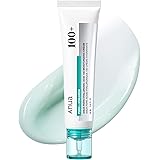
Following your all-encompassing Vitamin C serum, a specialized dark spot serum comes next. This targeted treatment is designed to address specific concerns like hyperpigmentation, sun spots, or post-inflammatory marks. These serums often contain ingredients such as niacinamide, alpha arbutin, licorice root extract, or specific forms of Vitamin C to inhibit melanin production and gradually fade existing discoloration. By applying this serum after your general antioxidant serum but before your moisturizer, you allow its active ingredients to penetrate deeply and precisely target the areas that need extra attention. Patience and consistency are crucial when treating dark spots.
5. Moisturizing Cream: Hydration and Barrier Support
Once your serums have had a moment to absorb, it’s time for a moisturizing cream. The primary role of your morning moisturizer is to hydrate your skin and reinforce its natural barrier function, which helps to lock in moisture and protect against environmental stressors. A good moisturizer seals in all the beneficial ingredients from your earlier steps, preventing transepidermal water loss and keeping your skin plump and supple throughout the day. The type of moisturizer you choose should be appropriate for your skin type – lighter gels for oily skin, richer creams for dry skin – ensuring optimal comfort and performance. This step is vital for maintaining skin elasticity and a healthy complexion.
6. Sunscreen: Non-Negotiable Daily Protection
The final and arguably most critical step in your AM skincare routine is sunscreen. Applying a broad-spectrum sunscreen with an SPF of at least 30 is non-negotiable for protecting your skin from harmful UVA and UVB rays, which are the leading cause of premature aging, sunspots, and skin cancer. Sunscreen creates a protective shield on the outermost layer of your skin, guarding against damage. It should always be the last product in your skincare routine before makeup, as applying anything over it could dilute its effectiveness or create gaps in its protective film. Make sunscreen a steadfast habit every single day, regardless of the weather or whether you plan to be indoors or outdoors. Consistent sun protection is the ultimate anti-aging strategy and essential for preserving your skin’s health and appearance.
Customizing Your Morning Skincare Routine
While the steps above provide a robust framework, remember that skincare is personal. Your specific skin type and concerns might require slight adjustments. For instance, if you have oily skin, you might opt for a lighter, gel-based moisturizer and a fluid sunscreen. Those with very dry skin might layer a hydrating facial oil before their moisturizer. Always listen to your skin and introduce new products gradually.
The beauty of a structured AM skincare routine is its ability to build upon itself. Each product contributes to the overall health and appearance of your skin, working in harmony when applied correctly. By understanding the ‘why’ behind each step, you empower yourself to make informed choices and truly nourish your skin every morning.
Morning Glow Q&A: Your Layering Queries Answered
What is AM skincare?
AM skincare refers to your morning routine of applying products to your skin. It helps prepare, treat, and protect your skin throughout the day.
Why is the order of applying morning skincare products important?
The correct order ensures each product absorbs properly and works effectively. Products are generally applied from the thinnest consistency to the thickest for best results.
Should I cleanse my face in the morning?
Yes, cleansing in the morning removes any residue from nighttime products, excess oil, and impurities. This prepares your skin as a clean canvas for subsequent products to absorb efficiently.
What is the most important final step in an AM skincare routine?
The most critical final step is applying a broad-spectrum sunscreen with at least SPF 30. It protects your skin from harmful sun rays, which are a leading cause of aging and damage.